
Page 2 - Fiber Optic Cabling
- - 5 min read
Modern data centers depend on clean, stable, and well-planned fiber links to support fast network traffic and steady uptime. A small mistake at the end of a fiber line can lead to signal loss, link failure, or slow troubleshooting when teams need quick answers.
That is why termination work deserves close attention from the start of a project. At SanSpot, the focus on strong fiber connectivity solutions reflects a simple truth. Good installation habits, clear planning, and careful testing make a real difference in daily network performance and long-term reliability. Read more... - - 5 min read
In many network setups, cables can slowly turn into a quiet problem. They sit behind racks, often unnoticed, yet they affect how well everything runs. When there are too many separate patch cables, the space feels tight and messy.
This is where a fiber breakout cable finds its place. It is not a complex idea, yet it solves a real issue. For teams working with fiber systems, it brings some order. In this blog, we will talk about its uses, its simple benefits, and how it fits into everyday network work. Read more... - - 4 min read
Many engineers quietly struggle with cable routing and protection issues during installation. This is where a simple yet thoughtful solution like an MPO breakout cable begins to show its value, not in theory, but in everyday work where small details decide long-term performance.
- - 5 min read
Network growth looks simple at the planning stage, but the real challenge starts when more links, more devices, and more routing paths begin to fill the rack. That is where cable design starts to matter. A clean layout can support easier moves, better airflow, and less daily confusion for the people who manage the system. Read more...
- - 4 min read
When setting up a robust and efficient fiber optic network, selecting the correct optical cable connector is as crucial as choosing the right cables. Optical cable connectors are the components that link fiber optic cables to devices or other cables, facilitating data transfer and ensuring signal integrity. With many connector types on the market, understanding which is best suited for specific network needs can enhance performance and reliability, whether for a high-traffic data center, enterprise network, or government facility. This guide will help you make an informed choice and explore how SanSpot’s products support high-performance, adaptable fiber optic solutions.
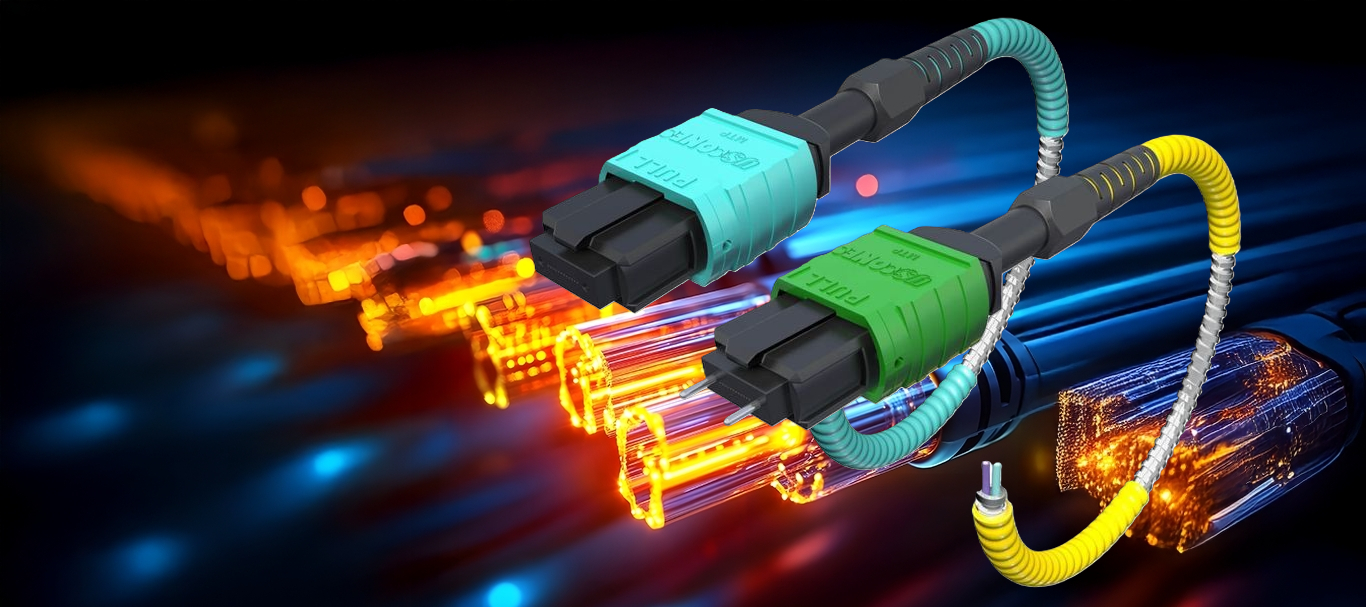
- MTP and MPO Differences
 October 5, 2026
 - Best Practices for Installation of a Fiber Optic Patch Panel
 August 17, 2026
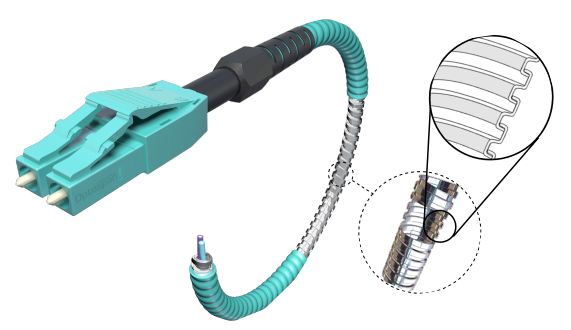
 - Benefits of Steel Armored Fiber Optic Cables
 July 20, 2026
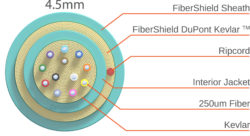
 - Custom Fiber Optic Cable Assemblies
 July 20, 2026
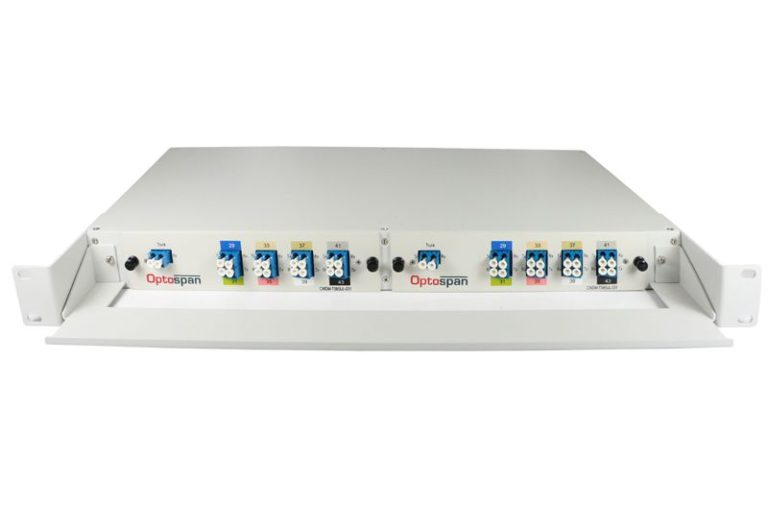
 - CWDM Fiber Solutions for Cost-Effective Networks
 July 20, 2026