How Bulk Fiber Optic Cable Supports High-Density Network Growth
Modern networks carry more traffic than ever before. Data moves between offices, server rooms, cloud systems, security tools, and connected devices every second. As this demand rises, network design must support more links in less space without making future upgrades harder.
That is where bulk fiber optic cable becomes important. It helps planners build large, organized, and scalable fiber routes for high-density settings. For businesses that need steady performance and room to grow, choosing the right cable structure is not only a technical step. It is a practical way to support long-term network growth.
Why High-Density Networks Need Better Cable Planning
High-density networks place many connections in a limited area. When racks, cabinets, and panels become crowded, even a small design issue can turn into a larger problem later. Poor cable planning often leads to blocked airflow, difficult maintenance, and a higher risk of errors during upgrades.
Good cable planning supports:
- Better use of rack and cabinet space
- Faster moves, adds, and changes
- Easier tracing and labeling during maintenance
- Lower risk of cable stress and signal problems
- Cleaner paths for future network expansion
In simple terms, high-density growth is not only about adding more links. It is about adding them in a way that stays ordered and easy to manage.
Understanding the Role of Fiber in Modern Growth
Fiber cabling fits modern networks because it can carry large amounts of data over long distances with strong signal quality. As networks expand, teams often need a cabling system that can support higher speeds without creating extra bulk inside pathways.
This is where fiber becomes useful in a very practical way:
- It supports a large bandwidth demand
- It works well in backbone and horizontal applications
- It helps reduce congestion in dense cable routes
- It fits environments where long-term growth is expected
When planners think ahead, they are not just choosing a cable for today. They are building a path for tomorrow’s traffic, equipment changes, and space limits.
How Bulk Fiber Optic Cable Helps Save Space
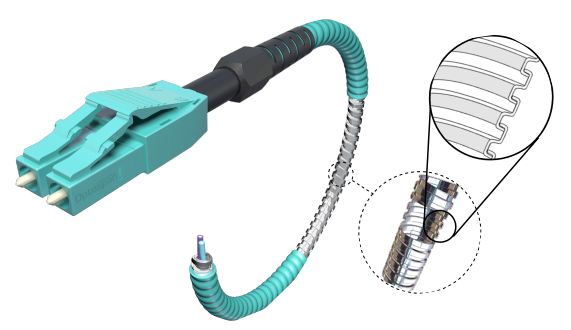
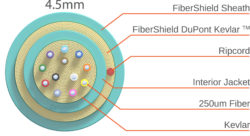
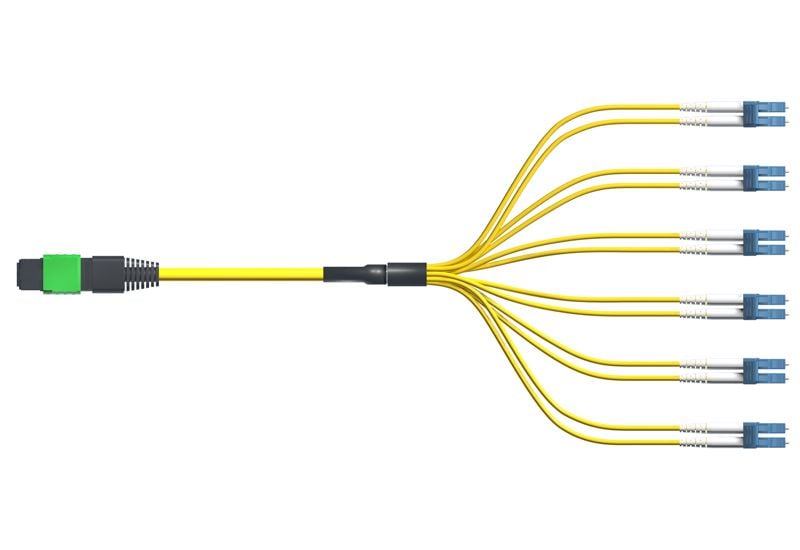
In dense network settings, space is always limited. Cabinets fill quickly, overhead pathways become crowded, and patching areas can become hard to work with. A bulk fiber optic cable setup can help because it supports organized routing and flexible deployment across different layouts.
Instead of treating cable as an afterthought, teams can use it as part of the full design strategy. Space savings usually come from smart routing, better cable counts, and neater termination planning.
Here are a few direct space benefits:
- Smaller cable pathways can support more connections
- Neater bundles reduce clutter inside cabinets
- Better routing helps technicians work without disturbing nearby links
- Organized layouts reduce strain at connection points
This matters in busy environments where every inch inside a rack or pathway has value.
Main Challenges in High-Density Installations
Growth is useful only when it stays manageable. In many high-density spaces, the main problems are not caused by traffic alone. They come from poor physical organization.
These issues can affect uptime, labor time, and daily operations. That is why physical layer design should be simple, clear, and ready for growth before the network becomes too crowded.
Key Design Factors to Review Before Deployment
Before any installation begins, it helps to review the basic design points that shape long-term performance. The goal is not to make the system complex. The goal is to make it easy to scale.
| Design factor | Why it matters in dense networks |
| Pathway capacity | Prevents overcrowding as more links are added |
| Bend management | Protects cable performance and cable life |
| Labeling plan | Makes maintenance faster and reduces mistakes |
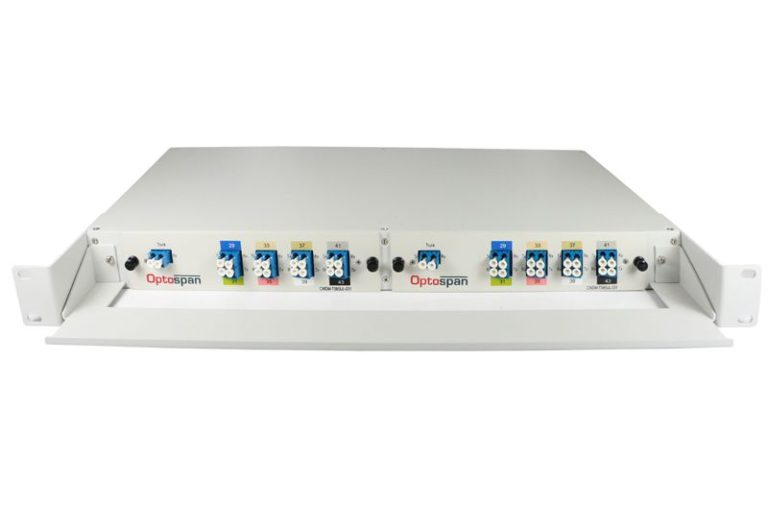
| Panel layout | Improves access in busy rack spaces |
| Future expansion room | Supports growth without full redesign |
This kind of review helps teams avoid rushed fixes later. It also makes network growth more predictable and less disruptive.
Why Organization Matters as Much as Performance
A network can have good components and still become hard to manage if the layout is messy. In dense environments, organization supports reliability in a very direct way. When cables are clearly routed and identified, technicians can work faster and with less risk.
Strong organization supports daily work in several ways:
- Service teams can find the right connection faster
- Upgrades can happen with less interruption
- Fault isolation becomes easier during troubleshooting
- Records stay cleaner when cable paths make sense
This is one reason structured fiber planning stays important. The physical layer should support the people who install, inspect, and maintain it across many years, not just during day one deployment.
Supporting Faster Moves, Adds, and Changes
High-density networks rarely stay fixed for long. New users arrive, devices increase, and services shift. A cable system must support these changes without forcing teams to rebuild large sections of the layout. This is where a scalable design becomes more than a technical choice. It becomes an operational advantage. Networks that are easy to modify often cost less effort to maintain over time.
The Value of Quality and Flexible Configuration
Not every network has the same footprint, traffic load, or equipment layout. Some sites need dense patching in one room. Others need longer runs across a building or campus. Flexible configuration matters because it allows the cabling design to fit the project instead of forcing the project to fit the cable.
SanSpot focuses on fiber optic networking products and solutions designed for wide optical network applications. Its product approach centers on quality fiber connectivity, higher density options, and flexible configurations that match custom network designs. That matters in high-density growth because network teams often need a solution that balances performance, layout efficiency, and practical installation needs.
Why Technical Support Improves Long-Term Results
Cabling design decisions affect the network long after installation is finished. That is why technical support has real value during planning and deployment. It helps teams avoid design gaps that may not appear until the system grows.
Useful technical support can help with:
- Selecting the right structure for dense routing
- Matching cable layouts to future speed plans
- Simplifying complex installation decisions
- Reducing compatibility concerns before deployment
SanSpot states that its technical and optical engineers work with customers on design support and project needs. In growing network environments, this kind of guidance can help reduce confusion and improve build consistency from the start.
Conclusion
High-density network growth depends on more than faster equipment. It also depends on a cable system that stays organized, scalable, and easy to manage as demand rises. A well-planned bulk fiber optic cable approach supports cleaner routing, better space use, simpler upgrades, and more stable long-term operation.
When teams look at pathway design, panel layout, labeling, and future capacity together, the network becomes easier to grow without chaos. For organizations planning dense optical infrastructure, clear design choices and dependable fiber solutions remain a steady part of lasting network success.