
Fiber Optic Cabling
- - 5 min read
Communication Networks today carry more information than ever before. They carry out daily work, communication, and small decisions that keep systems running. So the cable behind all this work needs to be reliable and secure. A standard cable may do the job for some time, but in rough spaces or busy setups, it starts showing its limits.
- - 4 min read
Modern network systems depend on strong and steady fiber connections. As networks grow in size and speed, standard cables often fail to meet exact layout and performance needs. This is where custom fiber optic cable assemblies become important.
- - 5 min read
Today's network infrastructure requires speed, reliability, and room to grow without turning each upgrade into a costly rebuild. That is why cable design matters more than many teams first expect. Read more...
- - 5 min read
Modern networks carry more traffic than ever before. Data moves between offices, server rooms, cloud systems, security tools, and connected devices every second. As this demand rises, network design must support more links in less space without making future upgrades harder. Read more...
- - 5 min read
A fiber network can perform well only when the physical layout supports clean routing, easy access, and room for future change. That is why panel design should never be treated like a small detail at the end of a project. Read more...
- MTP and MPO Differences
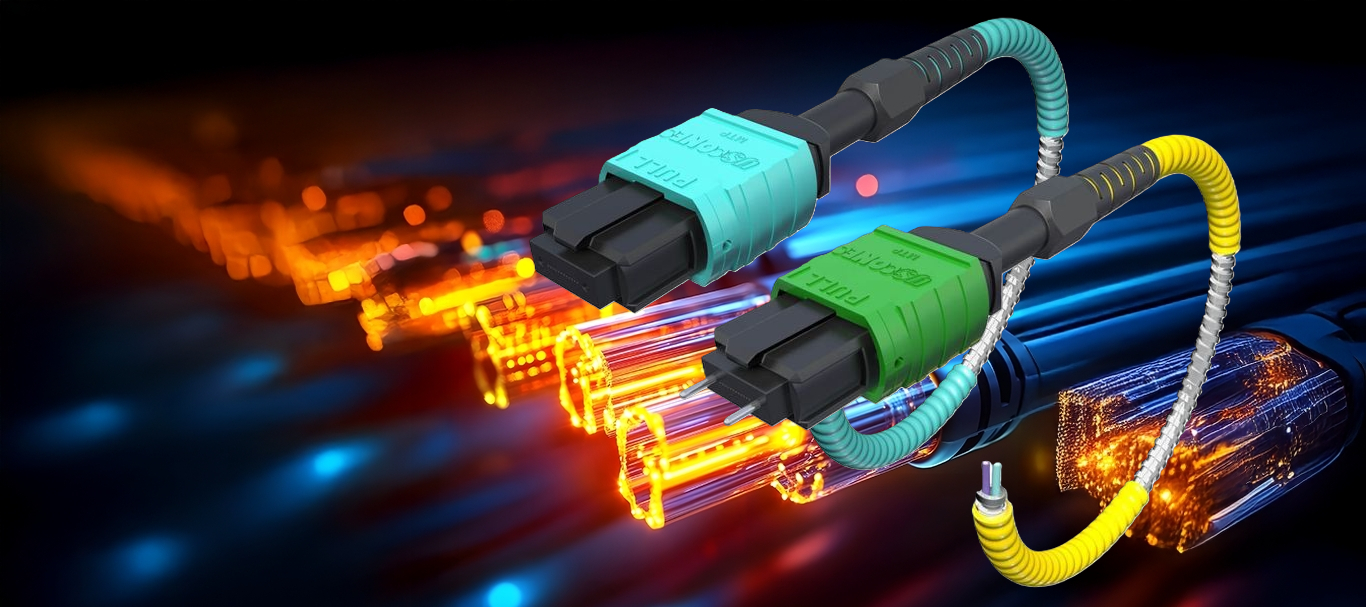 October 5, 2026
 - Best Practices for Installation of a Fiber Optic Patch Panel
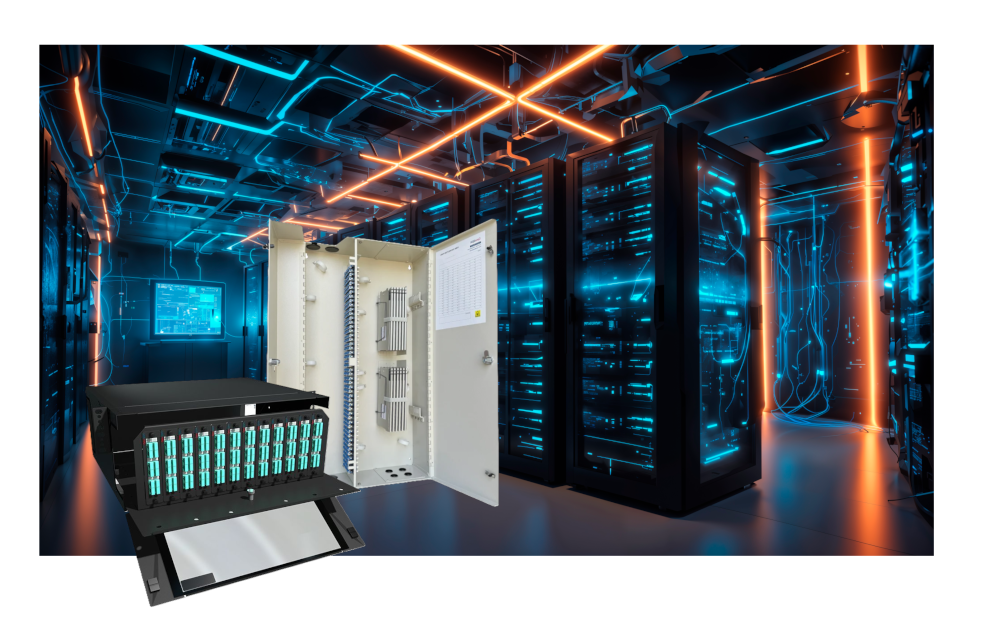 August 17, 2026
 - Benefits of Steel Armored Fiber Optic Cables
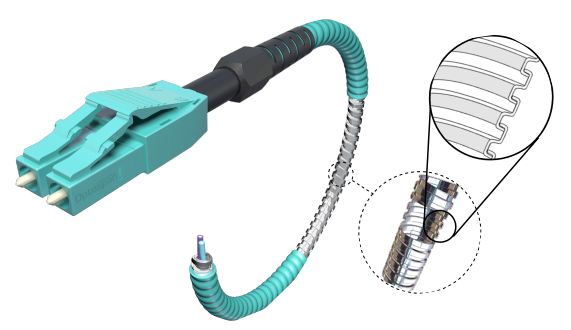 July 20, 2026
 - Custom Fiber Optic Cable Assemblies
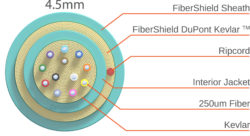 July 20, 2026
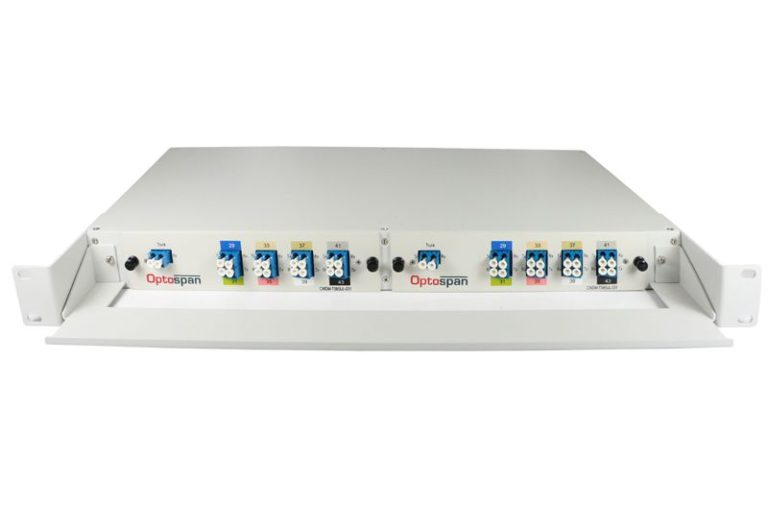
 - CWDM Fiber Solutions for Cost-Effective Networks
 July 20, 2026