
Best Practices for Fiber Terminations in Modern Data Centers
Modern data centers depend on clean, stable, and well-planned fiber links to support fast network traffic and steady uptime. A small mistake at the end of a fiber line can lead to signal loss, link failure, or slow troubleshooting when teams need quick answers.
That is why termination work deserves close attention from the start of a project. At SanSpot, the focus on strong fiber connectivity solutions reflects a simple truth. Good installation habits, clear planning, and careful testing make a real difference in daily network performance and long-term reliability.
Why Termination Quality Matters
In a modern data center, network speed is only one part of the story. The other part is consistency. A link may look fine during setup, yet fail later because the connector was not cleaned, the cable was bent too tightly, or the end face was damaged during handling.
Poor fiber terminations can affect the whole path, not just one port. They may cause higher loss, unstable transmission, and repeated service work. This can become costly when many links sit inside dense racks and patching areas.
When termination quality is kept high, teams get:
- Better signal performance across short and long links
- Fewer errors during moves, adds, and changes
- Easier testing and fault isolation
- Lower risk of downtime during busy operations
data center runs on dependability. Termination work supports that dependability every day.
Start with the Right Design Plan
A strong termination job begins before any cable reaches the rack. Teams need to think about port counts, cabinet layout, growth plans, and access for future service. If the path is crowded or confusing, even good products may not perform well over time.
Planning should cover these points:
- Required fiber count for present and future use
- Panel location for easy access and clean routing
- Space for cable slack without creating clutter
- Clear separation between active equipment and patching zones
SanSpot supports this type of planning with fiber connectivity products designed for flexible network layouts. In modern environments, a clean design helps technicians work with less pressure and fewer mistakes.
Choose Components that Match the Environment
Not all data center spaces are the same. Some need higher density because rack space is limited. Some need simple front access because service windows are short. Some need custom lengths or connector layouts because the network design is unique.
The selected components should fit the physical space and the technical goal. This includes patch panels, cable assemblies, connector types, pre-terminated fiber pigtails, and breakout arrangements. A mismatch between the design and the hardware can create strain, confusion, and wasted time during installation.
Here is a simple guide:
| Area of choice | What to check | Why it matters |
|---|---|---|
| Patch panels | Density, access, labeling space | Makes service and cable tracing easier |
| Cable assemblies | Length, connector fit, routing path | Reduces slack, tension, and sharp bends |
| Connector quality | Material quality and polish condition | Supports lower loss and stable links |
| Configuration options | Standard or custom layout | Helps the network fit the real site plan |
The goal is not to pick the most complex option. The goal is to pick the right one for the site.
Keep Connector End Faces Clean
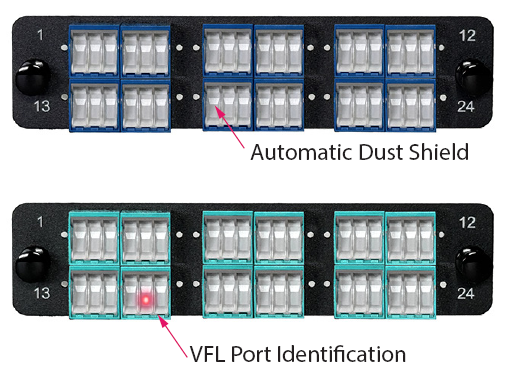
Cleanliness is one of the most basic rules in fiber work, but it is still one of the most ignored. Dust, oil, and tiny particles on a connector end face can block light and damage contact surfaces when connectors are mated.
A clean process should never be treated as optional. Before connection, inspect and clean the connector. If a connector is disconnected, inspect it again before reuse. One dirty port can affect more than one link and waste hours during troubleshooting.
Good cleaning habits include:
- Keep dust caps on until the moment of use
- Use proper cleaning tools made for fiber connectors
- Inspect connectors before and after cleaning
- Avoid touching the connector end faces by hand
This is simple work, but it protects network performance in a big way.
Manage Bend Radius and Cable Stress
Fiber cable is strong in many ways, but it still needs careful handling. Tight bends, twists, and pulling stress can harm signal performance and reduce the life of the cable. In high-density racks, this risk becomes even greater because cables often sit close together.
Technicians should route cables with calm, deliberate movement. They should avoid forcing a cable into a panel or closing a door over a crowded bundle. Support points should hold the cable without crushing it.
A good handling routine includes:
- Follow safe bend radius rules during routing
- Use guides and managers to keep paths smooth
- Avoid over-tightening ties around fiber bundles
- Leave enough slack for service without creating loops everywhere
Clean routing is not only about appearance. It protects the link from slow damage that may not show up on day one.
Use Clear Labeling and Documentation
A data center may have hundreds or thousands of fiber links. Without proper labels, even a small service task can turn into a guessing game. Good documentation reduces errors and helps every technician understand the system faster.
Each panel, port, cable, and path should follow a simple naming method. Labels should be easy to read and placed where technicians can see them without moving cables around. Records should be updated after every change, not days later.
Useful documentation should include:
- Panel and port identifiers
- Cable origin and destination
- Link type and service purpose
- Test records and installation date
This practice supports cleaner maintenance and faster fault response, especially when teams work across shifts.
Prepare for Density Without Losing Access
Modern data centers often push for more ports in less space. High density is useful, but it should not create service problems. If technicians cannot reach ports safely or trace cables clearly, density becomes a burden.
The best approach is balance. Use compact solutions, but leave enough access for cleaning, testing, and replacement. Front access design, organized routing, and logical panel layout can make dense spaces easier to manage.
SanSpot’s focus on high-density fiber connectivity products fits this need well because dense environments still require clarity, order, and service access. In real operations, the best setup is one that stays manageable after installation day.
Conclusion
The best fiber terminations practices are not complicated, but they do require discipline. Clean connectors, careful cable handling, verification with fiber cable testers, clear labels, and thoughtful planning all work together to protect network performance.
In modern data centers, small details at the cable end can shape the reliability of the full system. SanSpot understands this through its work in fiber connectivity solutions built for real network demands. When teams treat termination quality as a core part of infrastructure work, they build links that are easier to manage, easier to trust, and better prepared for growth.