Benefits of Steel Armored Fiber Optic Cable in Networks
Networks today carry more than just data. They carry out daily work, communication, and small decisions that keep systems running. So the cable behind all this work needs to be steady and dependable. A normal cable may do the job for some time, but in rough spaces or busy setups, it starts showing its limits.
This is where a steel armored fiber optic cable feels like a practical step forward. It is built with a stronger outer layer, yet it stays flexible. In this blog, we will go through how it works and why it suits modern networks.
What is a Steel Armored Fiber Optic Cable
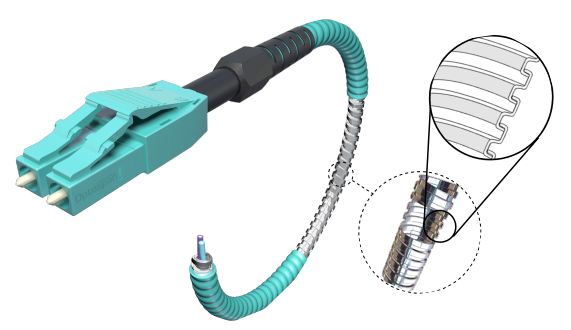
A steel armored fiber optic cable is a type of fiber cable that comes with an added steel layer around it. This layer acts like a shield. It protects the fiber strands from pressure, bending, and rough handling.
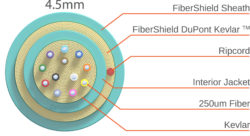
Inside the cable, there are optical fibers that carry light signals. Around these fibers, materials like Kevlar and steel are added for strength. This mix gives both safety and flexibility, which is not easy to find together.
Such cables are often used in places where damage can happen easily, like industrial floors, outdoor runs, or temporary setups. The design is simple, but the impact is quite strong in daily use.
Key Design Features That Make a Difference
Some features are not very visible at first, but they shape how the cable performs over time.
- The steel tube structure gives protection without adding too much weight
- Kevlar layers add extra strength against pulling or stress
- The OptoLock mechanism keeps the internal parts steady and locked
- LSZH outer jacket reduces smoke and toxic fumes in case of fire
- Multimode OM3 fiber supports 10G speed for fast data transfer
These features come together in a balanced way. The cable does not feel bulky, yet it stays firm under pressure.
Strength and Durability in Real Use
A network cable does not always stay in a clean and calm place. It goes under floors, along walls, or across open areas. In such cases, damage is common.
With steel protection, the cable becomes much harder to break. It can handle weight, small impacts, and bending. This is useful in setups where cables are moved or adjusted often.
Some cables are said to be up to 100 times stronger than regular fiber cables. That difference becomes clear when the network runs without sudden breaks or signal loss.
Flexibility Without Losing Structure
Strength is useful, but if the cable becomes too stiff, it creates another problem. It becomes hard to install or manage.
This is where the design matters. The overlapping steel links inside the OptoLock system allow movement. The cable bends without losing its shape.
- Easy to route through tight spaces
- Less strain on connectors during bends
- Smooth handling during installation
- Better fit in both indoor and outdoor paths
This balance between strength and movement makes it easier for teams to work with it, even in complex layouts.
Performance for High-Speed Networks
Speed matters in any network. Delays or weak signals can affect work in small but steady ways.
This cable supports 10G transmission using OM3 multimode fiber. That makes it suitable for setups where large amounts of data move often.
- Works well for short to medium distance connections
- Maintains signal clarity with less interference
- Supports modern networking demands
- Stable connection for data centers or enterprise use
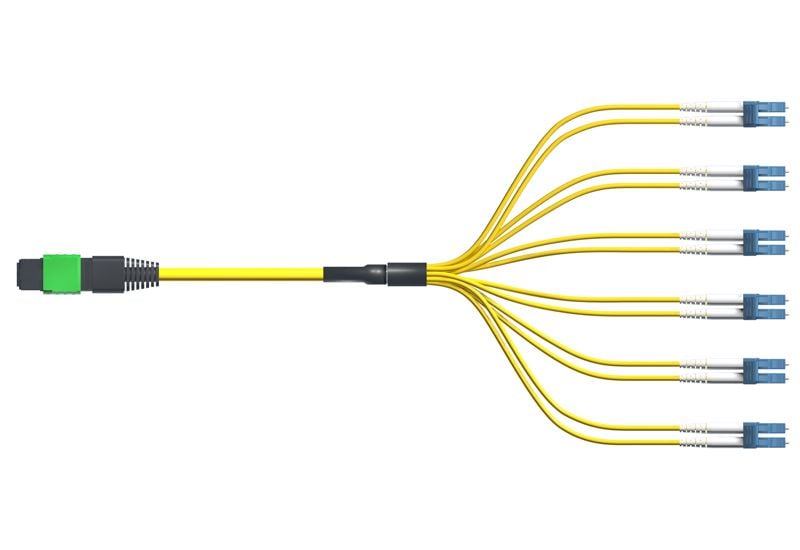
The connectors, like MPO to MPO, also help in keeping the link clean and consistent.
Comparison with Regular Fiber Cables
Below is a simple table to understand the difference between standard fiber cables and steel armored ones.
| Feature | Regular Fiber Cable | Steel Armored Fiber Optic Cable |
|---|---|---|
| Protection | Low | High with a steel layer |
| Flexibility | Moderate | High with structured design |
| Durability | Prone to damage | Strong and long-lasting |
| Installation | Easy but delicate | Easy with better handling |
| Use Case | Light indoor use | Indoor, outdoor, industrial |
This comparison shows how the added structure changes the way the cable behaves over time.
Use in Different Environments
One good thing about this cable is that it fits into many types of setups.
- Indoor network rooms where cables are tightly packed
- Outdoor runs where weather or movement affects cables
- Tactical setups that need quick deployment
- Industrial floors where equipment moves around
- Government or defense spaces where reliability matters
It is not limited to one type of use. That makes it a flexible choice for many network designs, including custom armored cables for military and aerospace use.
Role of SanSpot in Fiber Solutions
SanSpot has been working in fiber networking for many years. The company focuses on building products that are both strong and practical.
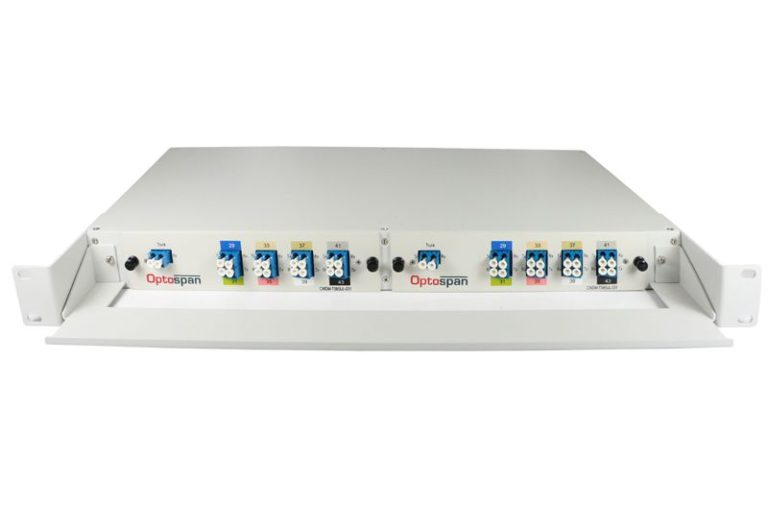
- Designs high-density patch panels and fiber assemblies
- Offers flexible options for different network needs
- Provides support from experienced optical engineers
- Test products for quality and performance before delivery
Their work stays grounded in real use cases. The aim is not just to build products, but to make them work smoothly in real environments.
Why Build Quality Matters
Sometimes it feels like all cables do the same work. But small details matter over time.
A well-built cable reduces the need for replacements. It avoids unexpected failures. It keeps the network stable without constant checks.
The steel armored fiber optic cable fits into this idea. It does not try to be fancy. It just holds up well under pressure and keeps doing its job.
Choosing the Right Cable for Your Network
Picking a cable depends on where and how it will be used.
- If the setup is calm and protected, a regular cable may work
- If there is movement, pressure, or exposure, armored cable is better
- For high-speed data, OM3 multimode fiber is a safe choice
- For long-term use, durability should not be ignored
It is not about picking the strongest option every time. It is about picking the one that matches the situation.
Conclusion
A network does not ask for attention when things go right. It just works quietly in the background. But when something fails, it becomes clear how much it depends on it. Choosing a steel armored fiber optic cable is not about adding extra layers without reason. It is about reducing small risks that grow over time. With the support of careful design and tested materials, solutions from SanSpot show how simple changes in cable structure can make daily operations smoother and less uncertain.