Choosing Bulk Fiber Optic Cable for Large-Scale Network Installations
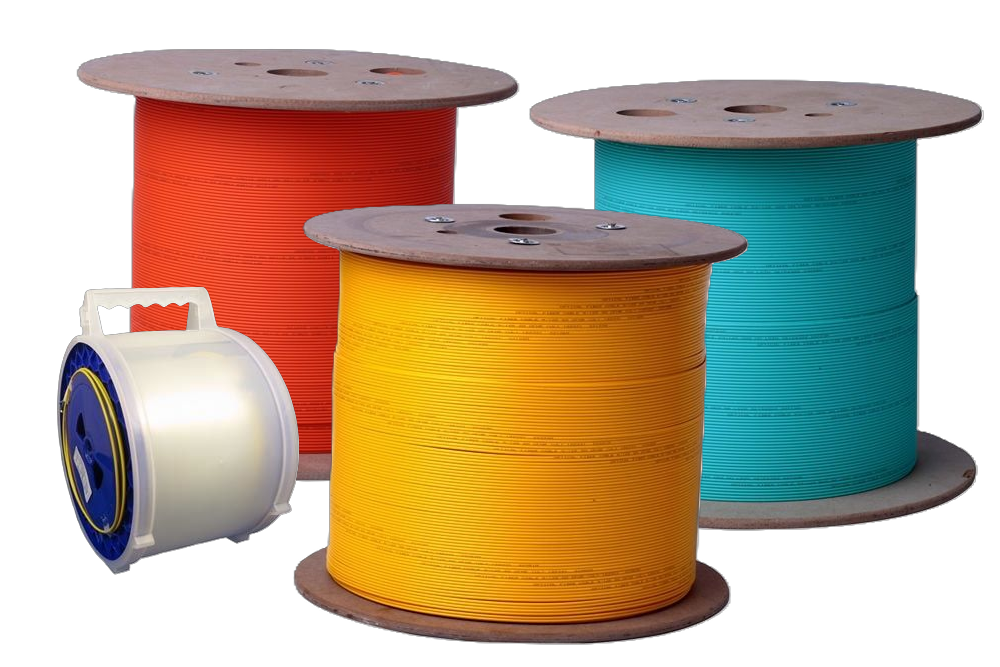
Planning a large network installation requires careful attention to cable type, fiber mode, length, and installation conditions. The right cable should match the network speed and the environment where it will be installed. A bulk fiber optic cable can be useful when a continuous cable length is needed for network connections instead of using multiple shorter cable sections.
For indoor installations, specifications such as fiber count, jacket type, cable size, and length should be checked before making a selection. SanSpot lists duplex Single- and Multimode Bulk Fiber options in various lengths designed for fiber networks and light to medium-duty indoor applications.
Start With the Network Requirement
The first step is to understand what the network needs before selecting a cable. Fiber type and network speed should match the planned installation. .
A proper selection starts by checking:
- The required network speed or bandwidth for the installation.
- Whether Single- or Multimode fiber is suitable for the planned network.
- The total cable length required for the installation.
- Whether the cable will be used indoors or outdoors.
- Whether a duplex fiber arrangement is required.
This basic review helps avoid choosing a cable that does not match the intended network setup.
Understanding Single- and Multimode Fiber Types
Fiber mode is one of the most important factors when choosing a cable. Multimode fiber is designed for network environments where the selected fiber specification matches the equipment and required transmission performance. As a rule of thumb, Multimode fiber is designed for Fiber optic communication under 1km in distance, whereas Single-mode fiber is used for distances exceeding 1km. Therefore, installers should confirm that the network equipment is compatible with fiber optic specifications before placing an order.
For a large installation, checking the fiber specification in advance can make cable planning easier and help maintain consistency across the network.
Consider the Required Cable Length
Another important consideration for large installations is the actual cable length run. When estimating cable requirements, installers should consider the actual route rather than measuring only the straight-line distance between two points.
A practical length assessment should include:
- The complete planned cable path.
- The distance between network connection points.
- Additional length required for proper installation.
- The number of cable runs needed for the project.
Accurate measurements can help reduce unnecessary cable shortages during installation.
Check the Duplex Fiber Configuration
The product is specified as a duplex cable with two fibers. A duplex configuration is important when the network design requires two fiber strands within the cable arrangement. The product specifications identify the fiber count as duplex, or 2x.
Before selecting a duplex cable, installers should review the connection requirements of the equipment and the planned network layout. This helps ensure that the cable configuration matches the intended application.
For large installations, checking the fiber count at the planning stage can also help determine how many cable spools may be needed for different network sections.
Review Cable Construction
Cable construction should be considered along with fiber type and length. The listed cable has a 3.0mm diameter and uses a Riser PVC insulation type. It is described for light to medium-duty indoor applications, including data-center racks and desktop or network connections.
This information is important because the installation environment can affect cable selection. A cable intended for indoor use should be evaluated according to the conditions of the planned installation.
Before installation, check:
- Whether the project is an indoor application.
- Whether Riser PVC insulation suits the installation.
- Whether the cable size fits the planned routing.
- Whether the intended use falls within the stated application range.
Compare Key Specifications
Reviewing specifications side by side makes it easier to determine whether a cable matches the project requirements. The following details are based on a sample 300-meter OM2 duplex product listed by SanSpot.
| Specification | Listed Detail |
|---|---|
| Fiber mode | Multimode OM2 |
| Fiber count | Duplex, 2x |
| Cable length | 300 meters |
| Approximate length | 1,000 feet |
| Core size | 50/125µm |
| Cable diameter | 3.0mm |
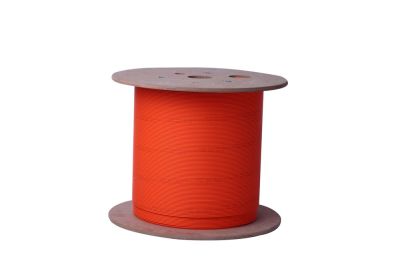
| Cable color | Orange |
| Insulation | Riser PVC |
| Network application | 1G networks |
| Warranty | 10 years |
These specifications give installers a clear starting point for comparing the cable with the requirements of a planned network.
Check Quality and Testing Information
Quality information is especially useful when selecting cable for a larger installation. The listed product includes ceramic ferrules intended to ensure consistent low loss, along with a complete test report and serialized quality tracking.
The product is also stated to comply with TIA-604-10 and IEC 61754-20 and is RoHS compliant according to RoHS 2011/65/EU. These details should be reviewed as part of the purchasing and installation process.
For project planning, keeping the available test and product information with the installation records can also make future maintenance and identification easier.
Plan the Installation Environment
A bulk fiber optic cable should be selected according to the environment where it will be installed. The specified cable uses Riser PVC insulation and is designed for light to medium-duty indoor applications. It should therefore be considered for applications that fit this stated use.
The installation team should review the route, cable handling requirements, connection points, and available space before beginning work. Good planning can reduce unnecessary handling and help keep the cable route organized.
For large network projects, the installation plan should also identify each cable run and its destination before the cable is deployed.
Consider Custom Configuration Requirements
Not every large-scale network installation has exactly the same requirements. The SanSpot product information states that custom configurations are available for this cable.
This can be relevant when a project has specific configuration needs that differ from the standard listed setup. However, any custom requirement should be identified before ordering so that the cable specification can be reviewed against the actual network design.
Installers should clearly document the required fiber mode, fiber count, length, insulation type, and other relevant specifications when discussing a custom configuration.
Create a Simple Selection Checklist
A clear checklist can make cable selection easier, especially when planning a large network installation. Before choosing a bulk fiber optic cable, review the main technical details and confirm that they match the project requirements.
Use this checklist:
- Confirm that Single- or Multimode fiber is suitable for the network.
- Check that the planned application is compatible with required bandwidth.
- Confirm the required cable length and number of runs.
- Check that a duplex, two-fiber configuration is required.
- Review the 3.0mm cable size and diameter specification.
- Confirm the correct insulation suitable for the indoor application.
- Review available test documentation and quality information.
- Check whether a custom configuration is required.
Make the Final Cable Selection Carefully
Choosing the right cable for a large network installation is mainly about matching the product specifications with the actual project requirements.
A bulk fiber optic cable should not be selected only by looking at its length. Fiber mode, fiber count, cable construction, installation environment, and available quality information should all be reviewed together. Taking these points into account can help network planners make a more suitable choice for their specific installation.
Conclusion
Selecting the right fiber cable for a large network installation requires more than choosing a suitable length. The fiber mode, network speed, duplex configuration, cable construction, insulation, and installation environment should all match the project requirements.
Reviewing these details before installation can help planners organize cable runs, confirm compatibility, and avoid unsuitable specifications. A careful selection process makes network planning clearer and supports a more organized installation from the beginning.