Best Practices for Installing a Fiber Optic Patch Panel Correctly
A well-organized fiber optic network depends on more than high-quality cables and connectors. Proper cable management and termination are equally important for maintaining reliable network performance and simplifying future maintenance. A fiber optic patch panel provides a centralized location for organizing fiber connections while supporting efficient cable routing in high-density network environments. Installing the panel correctly helps protect fiber cables, improve accessibility, and maintain a clean infrastructure. SanSpot offers high-density fiber optic patch panels designed to support organized cable management for modern networking applications.
Understanding a Fiber Optic Patch Panel
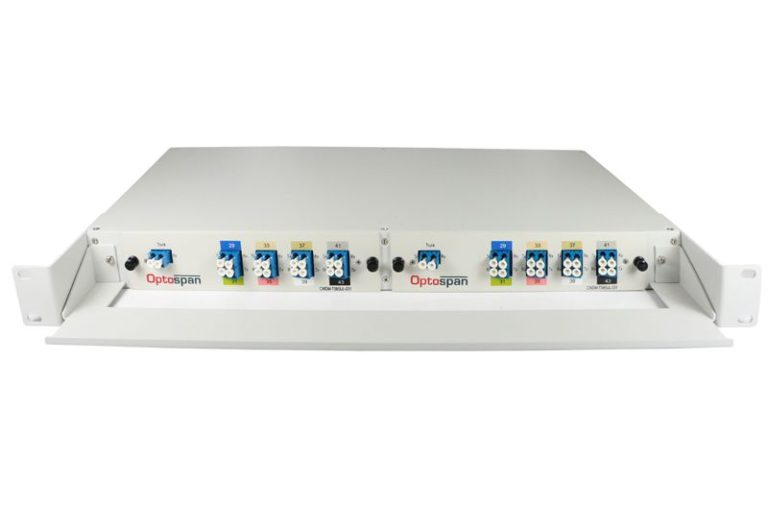
A fiber optic patch panel is a rack-mounted enclosure used to organize, protect, and manage fiber optic cable connections. It provides a central point where fiber cables can be terminated, connected, and maintained in an organized manner.
According to SanSpot, the 120-Port High-Density Fiber Optic Patch Panel is a 1U rack-mounted solution that supports high-density fiber management while maximizing rack space. Its modular design allows flexible deployment for different fiber adapter and cassette configurations, making it suitable for data center and enterprise network environments.
Proper installation helps maintain both cable protection and long-term network organization.
Why Proper Installation Is Important
A carefully installed patch panel helps improve network organization while protecting delicate fiber connections.
Proper installation supports:
- Organized cable routing.
- Easier network maintenance.
- Improved cable protection.
- Efficient use of rack space.
- Simplified future upgrades.
- Better accessibility for technicians.
Planning the installation before connecting cables helps reduce unnecessary cable movement and supports more reliable long-term network performance.
Preparing Before Installation
Successful installation begins with proper planning. Reviewing equipment requirements before mounting the panel helps avoid unnecessary adjustments later.
Some important preparation steps include:
- Verify rack space availability.
- Review network design.
- Confirm cable routing paths.
- Identify connector types.
- Prepare cable labeling.
- Gather installation hardware.
- Inspect the patch panel before installation.
Completing these preparations creates a more organized installation process while helping technicians manage fiber connections efficiently.
Features of the SanSpot High-Density Patch Panel
The SanSpot patch panel includes several design features that support organized fiber management in high-density environments.
Key features include:
- 1U rack-mounted design.
- Supports up to 120 fiber connections.
- High-density configuration.
- Modular cassette compatibility.
- Flexible adapter panel support.
- Front-access design.
- Efficient cable management.
- Space-saving rack utilization.
These features allow network administrators to maximize rack capacity while maintaining organized fiber connections.
Patch Panel Features at a Glance
| Feature | Benefit |
|---|---|
| 1U rack design | Saves valuable rack space |
| High-density capacity | Supports up to 120 fiber connections |
| Modular design | Allows flexible deployment |
| Front accessibility | Simplifies maintenance and upgrades |
| Cable management support | Helps organize fiber routing |
| Rack-mounted installation | Provides stable equipment mounting |
These design elements contribute to cleaner installations and more efficient network management.
Best Practices for Cable Organization
Organized cable routing plays a major role in protecting fiber infrastructure. Poor cable management may increase the risk of accidental damage during maintenance or equipment upgrades.
Recommended practices include:
- Route cables carefully.
- Avoid unnecessary cable bending.
- Separate incoming and outgoing cables.
- Label all fiber connections clearly.
- Maintain organized cable pathways.
- Leave appropriate service loops where needed.
- Keep cable routing consistent throughout the rack.
Good cable organization also makes future troubleshooting much faster because technicians can identify individual connections more easily.
Planning for Future Network Expansion
Network infrastructure often grows over time. Installing the patch panel with future expansion in mind helps reduce the need for major changes later.
Important planning considerations include:
- Reserve space for additional fiber connections.
- Maintain organized cable pathways.
- Use consistent labeling throughout the rack.
- Select modular configurations when appropriate.
- Plan cable routing for future equipment.
- Keep documentation updated.
The modular design of the SanSpot patch panel allows administrators to adapt the system as network requirements evolve without replacing the entire enclosure.
Common Installation Mistakes to Avoid
Even experienced installers can create unnecessary maintenance challenges if cable organization is overlooked.
Some common mistakes include:
- Overcrowding cable pathways.
- Poor cable labeling.
- Excessive cable bending.
- Inconsistent routing methods.
- Limited access for maintenance.
- Ignoring future expansion needs.
Avoiding these issues helps maintain a cleaner network installation while improving long-term serviceability.
Using a fiber optic patch panel correctly from the beginning creates a structured network environment that supports efficient maintenance and organized fiber management.
Supporting High-Density Network Environments
Modern data centers and enterprise networks continue increasing their fiber connection density. As more network equipment is added, organized cable management becomes even more important.
SanSpot's 120-Port High-Density Fiber Optic Patch Panel is designed to support these environments by providing a compact 1U solution with modular flexibility and high connection capacity. Its front-access design and support for modular cassettes help simplify installation, maintenance, and future network expansion while maximizing valuable rack space.
Selecting a properly designed fiber optic patch panel allows organizations to build organized network infrastructure that remains manageable as connectivity requirements continue growing.
Conclusion
Proper installation of a fiber optic patch panel is an important step in creating an organized, reliable, and easy-to-maintain network infrastructure. Careful planning, structured cable routing, clear labeling, and preparation for future expansion all contribute to long-term network performance. High-density installations especially benefit from equipment that maximizes rack space while maintaining organized fiber management. A fiber optic patch panel helps centralize fiber connections, simplify maintenance, and improve accessibility throughout the network. SanSpot offers a high-density 120-port 1U patch panel with a modular design that supports efficient cable management and scalable fiber infrastructure for modern networking environments.