Custom Fiber Optic Cable Assemblies for Optimized Design
Modern network systems depend on strong and steady fiber connections. As networks grow in size and speed, standard cables often fail to meet exact layout and performance needs. This is where custom fiber optic cable assemblies become important. They allow network designers to shape the cable build around the real demands of the application, not the other way around.
For data centers, enterprise networks, and special optical setups, a well-planned custom assembly can reduce errors, save space, and improve long-term reliability. This blog explains how tailored fiber assemblies support optimized design while keeping systems simple and dependable.
Understanding Application-Focused Fiber Design
Every network has its own shape, load, and limits. Some need short links inside dense panels. Others run long paths between rooms or racks. Application-focused design means the fiber cable is created after understanding these conditions.
Instead of forcing a ready-made cable into place, engineers study how the fiber will be used. They look at distance, signal type, bend areas, and environment. From this study, the cable design takes form.
Key points of application-focused design include:
- Clear understanding of network layout
- Defined performance and signal needs
- Awareness of space limits and routing paths
- Planning for future changes or expansion
This approach reduces stress on the cable and supports stable data flow over time.
Role of Custom Fiber Optic Cable Assemblies in Network Design
Custom fiber optic cable assemblies allow networks to work as intended from the first day. When cable length, structure, and connector type are matched to the system, there is less strain and fewer connection points. These assemblies are built to meet exact specifications. This avoids excess slack, tight bends, or forced routing. The result is a cleaner setup that is easier to manage and test.
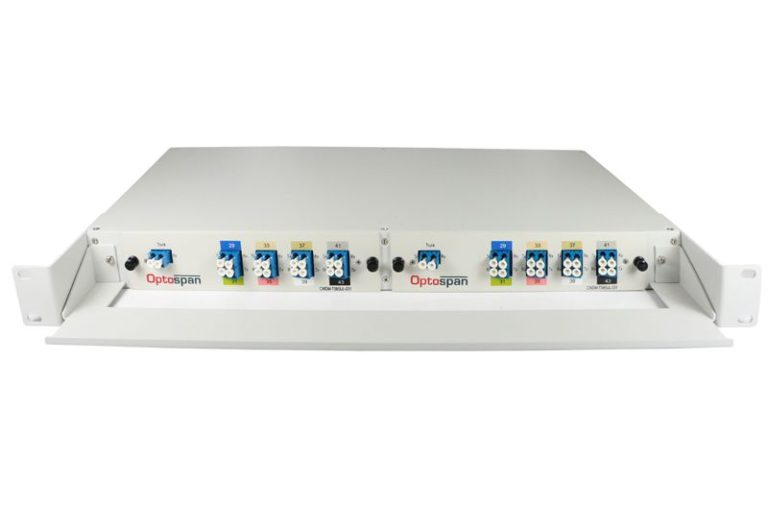
Design teams also use custom builds to improve airflow and reduce congestion inside racks. This matters more as network density grows and cooling space shrinks. In many cases, a custom assembly replaces several standard cables. This simplifies the layout and lowers the chance of failure.
Types of Custom Fiber Cables Available
Different network designs need different cable forms. Several types of fiber cables can be customized to suit both simple and complex layouts.
Common options include:
- Duplex custom fiber patch cables for basic point-to-point links
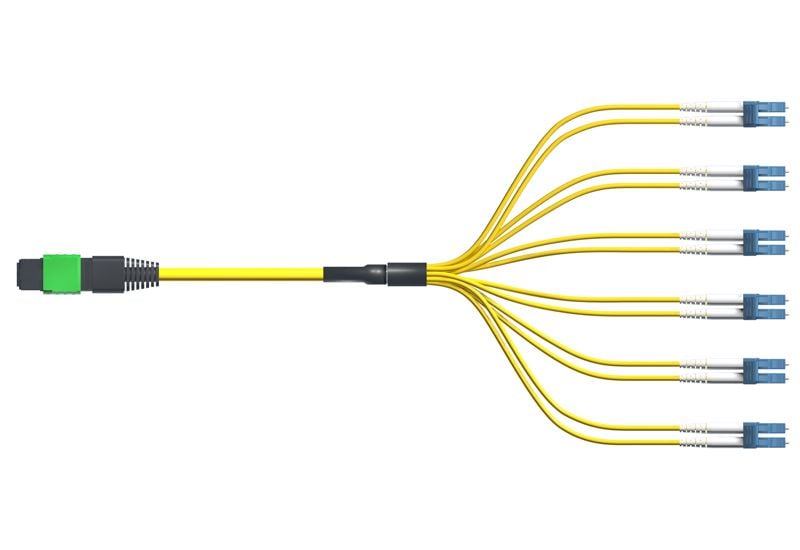
- MPO and MTP custom fiber cables for high-density systems
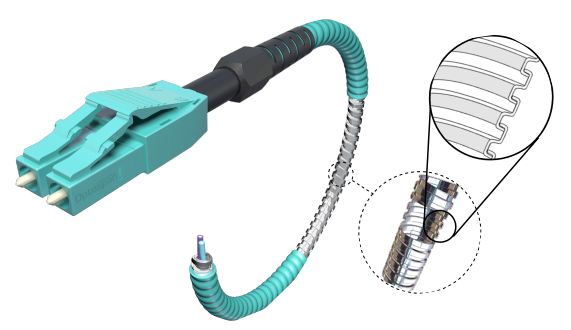
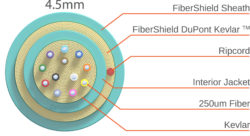
- Armored custom fiber optic patch cables for added protection
- AOC custom fiber cables for integrated active connections
Each type supports different data rates, distances, and physical demands. Choosing the right type early helps avoid changes later in the project.
Design Collaboration and Engineering Process
Custom cable design is not a one-step task. It involves close work between engineers and the client team. The process starts with listening to the fiber needs and network goals.
During design stages, engineers define:
- Performance targets
- Connector styles and fiber counts
- Cable routing and structure
- Testing and delivery needs
Prototype drawings are shared to confirm accuracy. This step allows early correction and avoids costly changes after production.
This shared process helps ensure the final assembly fits the application without guesswork.
Customization Options That Shape Performance
Customization gives control over how a fiber assembly behaves in real use. Small changes in structure or labeling can make a large difference during installation and maintenance.
Available customization options include:
- Cable lengths adjusted for each section
- Special connectors with compact or waterproof design
- Polarity and fiber mapping matched to the layout
- Cable structure layers added or removed
- Hybrid cables combining single-mode and multimode
- Breakout sections for tight or wide spaces
- Strain relief with PG9 gland for sealed areas
- Custom labeling applied at the factory
These choices help reduce installation time and prevent connection errors.
Comparing Standard and Custom Fiber Assemblies
The difference between standard and custom builds becomes clear during installation and long-term use. The table below shows a simple comparison.
| Aspect | Standard Fiber Cables | Custom Fiber Assemblies |
|---|---|---|
| Cable Length | Fixed lengths | Exact length match |
| Connector Options | Limited types | Application specific |
| Routing Fit | Often adjusted on site | Designed for layout |
| Installation Time | Longer | Shorter |
| Labeling | Basic or none | Factory applied |
| Flexibility | Low | High |
This comparison shows why custom fiber optic cable assemblies suit complex and high-density designs.
Turnaround Time and Project Planning
Project schedules matter in network builds. Delays in cable supply can stop progress across many teams. Custom assemblies are often seen as slow, but modern processes reduce this risk.
From concept to delivery, most custom projects are completed within four to six weeks. This includes design review, prototype checks, and final production. Quick turnaround helps teams plan installs with confidence. It also allows time for testing before full deployment.
Quality, Compliance, and Reliability Standards
Quality matters in fiber systems because faults are hard to trace after installation. Custom assemblies are built with tested parts and follow strict quality checks. Each cable is visually and optically tested. This confirms signal strength and connector finish before shipping.
All assemblies meet TAA compliance needs and are produced in controlled facilities. This ensures stable performance and long service life. Reliable cables reduce downtime and support steady network growth without constant maintenance.
Supporting High-Density and High-Speed Networks
As data rates move toward higher speeds, cable tolerance becomes tighter. High-density panels and compact racks leave little room for error.
Custom fiber designs support these systems by:
- Matching fiber mapping to port layout
- Reducing cable bulk inside racks
- Supporting clean airflow paths
- Allowing easy moves and changes
Purpose-built data center and medical fiber assemblies also support modern network speeds without redesigning the entire layout.
Conclusion
Optimized network design depends on details that are often hidden inside the cable path. When fiber assemblies are built around the real needs of the application, systems become easier to install, manage, and grow. Custom fiber optic cable assemblies support this approach by offering control over length, structure, connectors, and labeling.
They help reduce errors and support stable performance across many environments. For networks that demand accuracy and long-term reliability, custom fiber design is not an extra step; it is a practical choice that supports clear and effective system planning.