CWDM Fiber Solutions Enabling Cost-Effective Network Growth
Modern networks are growing at a steady pace. More data moves every day, and systems need to keep up without adding high cost or complex design. Fiber networks now support business tools, storage, and communication at once. This is where CWDM fiber solutions fit well. They help networks expand using existing fiber paths while keeping the design simple.
SanSpot works in this space with a clear focus on quality fiber connectivity products that support stable and flexible network growth. This blog explains how CWDM-based solutions support cost control, network scale, and clean fiber design for present and future needs.
Understanding CWDM in Simple Terms
CWDM stands for Coarse Wavelength Division Multiplexing. It is a method that allows multiple data signals to travel on a single fiber by using different light colors. Each color carries its own data stream.
Instead of installing many fiber lines, CWDM lets one fiber do more work. This keeps layouts clean and reduces cable clutter.
Key points to understand CWDM basics:
- Each signal uses a different wavelength of light
- Multiple wavelengths move together on one fiber
- Passive devices manage the combining and separating of signals
- No power is required for CWDM Mux or Demux units
This simple idea makes CWDM a strong option for growing networks.
Why CWDM Fits Cost-Sensitive Network Growth
Network growth often means higher cost. New cables, new paths, and more labor add pressure. CWDM lowers this burden by using the fiber already in place.
CWDM fiber allows expansion without heavy construction or major redesign. It also supports different data rates at the same time. Main cost benefits include:
- Reduced the need for new fiber installation
- Lower material and labor costs
- Better use of existing fiber links
- Flexible upgrades without full network changes
For teams managing tight budgets, CWDM helps keep spending under control while still allowing growth.
Role of CWDM Mux and Demux Devices
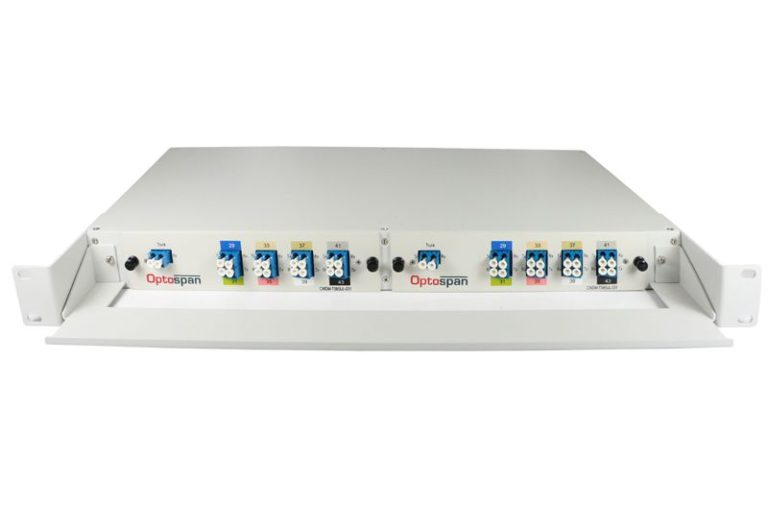
CWDM Mux and Demux units are the core parts of this setup. These devices combine and separate different wavelengths on a single fiber line.
SanSpot offers premium CWDM Mux and Demux units designed for clean signal handling and long-term use. They are passive devices, so they do not need power or cooling.
Key functions of CWDM Mux and Demux units:
- Combine up to 8 wavelengths into one fiber
- Separate wavelengths at the receiving end
- Support varying data rates and standards
- Maintain signal quality over long distances
These units help networks stay simple and stable even as capacity grows.
Supporting Long Distance Fiber Links
Long-distance fiber links often face signal loss and higher cost. CWDM reduces the number of fibers needed, which makes long runs easier to manage.
By sending multiple signals over a single duplex LC fiber cable, CWDM lowers cable count and keeps routing clean. This helps in buildings, campuses, and wide-area connections.
Benefits for long-distance links include:
- Fewer fiber paths to manage
- Lower cable maintenance needs
- Clean design for extended routes
- Stable performance across distances
This approach supports steady network expansion without adding stress to fiber infrastructure.
CWDM Fiber in High-Density Network Environments
High-density networks need smart design. Data centers and enterprise spaces often face limited space and heavy cable traffic.
CWDM fiber solutions help reduce congestion by carrying more data through fewer fibers. This supports high-density patch panels and structured layouts.
Advantages in dense environments:
- Reduced cable bulk in racks
- Improved airflow due to fewer cables
- Easier labeling and management
- Faster troubleshooting
SanSpot designs fiber connectivity products that align well with such structured and dense network designs.
CWDM Compatibility with Modern Fiber Components
CWDM systems work best when paired with quality fiber components. Patch cables, transceivers, and panels must meet strict standards.
SanSpot focuses on premium fiber connectivity products built with strong components and tested performance. This ensures CWDM systems stay reliable under load.
Common compatible components include:
- Duplex LC fiber patch cables
- High-performance optical transceivers
- High-density patch panels
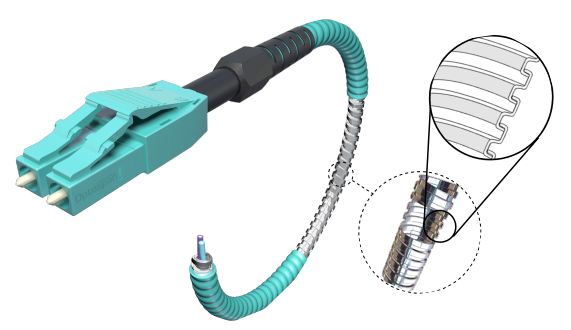
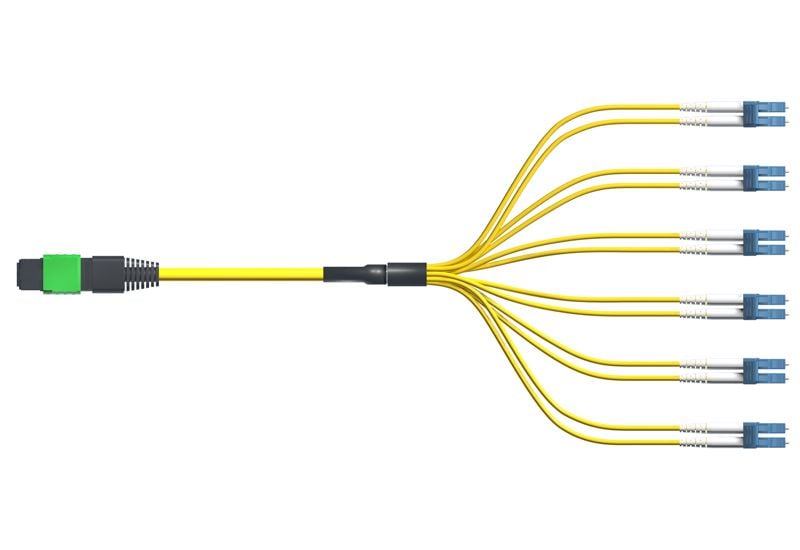
- Custom fiber cable assemblies
This compatibility helps keep networks flexible and ready for future upgrades.
Key Technical Features at a Glance
The table below explains core CWDM Mux and Demux features in a clear format.
| Feature | Description |
|---|---|
| Device Type | Passive CWDM Mux/Demux |
| Wavelength Support | Up to 8 unique wavelengths |
| Fiber Type | Duplex LC fiber |
| Power Requirement | None |
| Data Rates | Supports mixed transmission rates |
| Use Case | Cost-effective fiber expansion |
This simple structure helps teams quickly assess if CWDM fits their network design.
How CWDM Helps Reduce Network Complexity
Network complexity often grows with expansion. More fibers, more connections, and more risk of errors. CWDM addresses this by simplifying the fiber layout.
With fewer cables and fewer paths, networks become easier to manage. Documentation stays cleaner, and maintenance becomes less time-consuming.
Ways CWDM simplifies networks:
- Less physical cabling
- Clear separation of wavelengths
- Reduced patching points
- Cleaner rack layouts
This simplicity supports both daily operations and long-term planning.
SanSpot’s Approach to CWDM-Based Solutions
SanSpot designs and delivers fiber networking products with a focus on quality and flexibility. The goal is not promotion but practical network support.
With over ten years of experience, SanSpot serves enterprise and government networks that need reliable fiber solutions. Products are tested visually and optically and produced in ISO-certified facilities.
SanSpot’s approach includes:
- Strong focus on component quality
- Flexible options for custom network designs
- Technical support from experienced engineers
- Compatibility assurance across fiber systems
This method supports stable CWDM deployments without design stress.
Future Network Growth with CWDM Fiber
As data demand increases, networks must scale without waste. CWDM fiber supports this by offering a clear path for expansion.
By adding wavelengths instead of fibers, networks can grow step by step. This avoids sudden large upgrades and keeps control in the hands of network teams.
CWDM fiber helps prepare for future needs by:
- Supporting gradual bandwidth growth
- Allowing mixed data rates
- Keeping infrastructure simple
- Extending the life of existing fiber assets
This balance between growth and control makes CWDM a practical choice.
Conclusion
Network growth does not always require complex or costly changes. CWDM fiber solutions offer a balanced way to expand capacity while keeping fiber design simple and manageable. By using passive Mux and Demux devices, multiple signals can travel over a single fiber without loss of control or clarity.
SanSpot supports this approach through high-quality fiber connectivity products and tested designs. With careful planning and the right components, CWDM helps networks grow steadily, remain clean, and stay within budget for many years ahead.