Breakout Fiber Benefits for Flexible Network Expansion
Network growth looks simple at the planning stage, but the real challenge starts when more links, more devices, and more routing paths begin to fill the rack. That is where cable design starts to matter. A clean layout can support easier moves, better airflow, and less daily confusion for the people who manage the system.
A fiber breakout cable fits into that need by combining multiple connections into one organized assembly. For teams that want flexible expansion without extra mess, this cable type brings a practical answer that supports order and reliable network changes.
Why Cable Layout Matters During Network Expansion
When a network grows, cable count often grows faster than expected. A setup that looked neat at first can turn crowded once new switches, patch points, and device links are added. Too many separate patch cables can make tracing, maintenance, and upgrades more difficult than they need to be.
A more organized cable path helps with several basic needs:
- It keeps the rack or cabinet easier to manage
- It reduces visible clutter in busy areas
- It helps teams trace connections with less confusion
- It supports cleaner routing for future changes
This is one reason structured fiber assemblies are useful in growing environments.
What a Fiber Breakout Cable Does
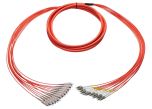
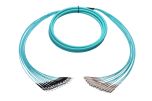
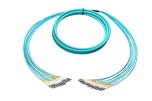
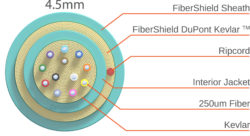
A fiber breakout cable is commonly used to bring several duplex fiber patch cables into a single assembly. In the product details shared here, a 12-fiber version is most often used to combine 6 duplex fiber patch cables. This reduces bulk and makes the cable path more controlled.
Instead of managing many loose cables in the same run, teams can work with one grouped assembly that keeps the layout more ordered. That makes a real difference in places where space, access, and cable movement matter every day.
This cable type is useful for flexible network expansion because it supports practical organization without changing the core purpose of the fiber connection.
How Consolidation Helps Reduce Bulk and Clutter
Bulk is not just a visual issue. It can also affect how easily people work inside a rack, cabinet, or patching area. When multiple separate cables run through the same path, the result can become crowded and harder to manage over time.
A breakout design helps by reducing that crowded feel in a more direct way.
- Six duplex patch cables can be grouped into one assembly
- Cable routing becomes easier to plan and follow
- Service access can become simpler in dense areas
- Expansion work feels less disruptive when the layout stays cleaner
For teams handling active network growth, this kind of physical organization can save time and reduce frustration during routine work.
Connector Options That Support Different Setup Needs
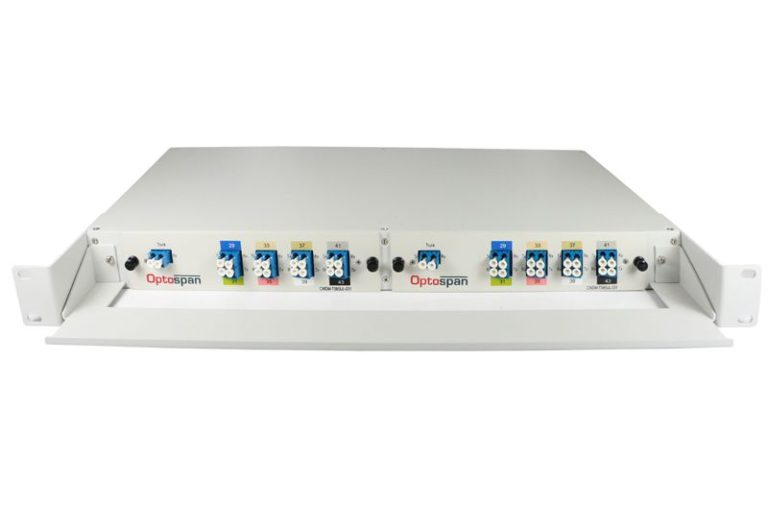
Connector choice matters because different network environments may require different interface styles. The cable details provided for this blog include support for LC, SC, and ST terminations. That gives teams room to align the cable assembly with the connection style already used in the network.
Here is a simple view of the available connector options.
| Connector Type | Included in Available Options | Common Use Benefit |
|---|---|---|
| LC | Yes | Supports compact, high-density connections |
| SC | Yes | Useful for straightforward fiber connections |
| ST | Yes | Fits setups that still use twist-lock style terminations |
This range supports planning flexibility. It also helps avoid forcing one connector format into every situation when the network may already have mixed needs.
Fiber Type Choices for Different Network Designs
Not every network uses the same fiber specification, so cable compatibility matters from the start. The product details include support for Single-Mode OS2 and Multimode OM1, OM2, OM3, and OM4 fiber.
- OS2 supports single-mode applications
- OM1 through OM4 support multimodal applications
- Different fiber types allow the cable to fit different network plans
- Compatibility options reduce the need for awkward workarounds
This matters during expansion because the new cable path should fit the system, not force the system to change around the cable.
Jacket Options That Support Installation Conditions
Cable protection is another practical part of planning. The provided details note that each 12-fiber cable may be ordered with traditional Riser OFNR or fire-retardant Plenum OFNP insulation. These options help teams choose a jacket type that fits the installation conditions and protection needs of the project.
A simple planning review should include:
- The route the cable will follow
- The building area where it will be installed
- The insulation type needed for that environment
- The level of protection expected during operation
These choices matter because flexible expansion is not only about adding more links. It is also about choosing components that fit the space correctly from the start.
Length Flexibility Helps Future Changes
A network expansion project rarely follows one exact size rule. Some runs are short and direct, while others need more reach. The cable details shared here include standard lengths from 2 to 100 meters, with additional custom lengths or bulk spools available upon request.
That gives planners a wider range of options.
- Short runs can stay neat without too much extra slack
- Longer runs can support broader routing paths
- Custom length options can help match specific layouts
- Bulk spool availability can support special project needs
This is one of the reasons a fiber breakout cable works well in flexible expansion plans. It supports different physical layouts without making the design process harder.
What to Review Before Choosing This Cable Type
Before selecting a cable assembly, it helps to look at the network from a practical angle. The goal is not only to add connectivity, but also to keep the layout usable for future work.
A short review list can help:
- Count how many duplex links need consolidation
- Check whether LC, SC, or ST is required
- Confirm whether the network uses OS2 or OM fiber
- Review whether OFNR or OFNP insulation fits the site
- Measure the path to choose the correct cable length
Conclusion
Expansion is easier when the physical network stays easy to read, easy to route, and easy to maintain. A fiber breakout cable supports that goal by reducing cable clutter, grouping multiple duplex connections into one assembly, and offering choices in connector type, fiber specification, insulation, and length.
Those details matter because network growth is rarely only about more capacity. It is also about keeping the system manageable as it changes. SanSpot supports that process with fiber connectivity options designed for practical use, flexible planning, and cleaner long-term network organization.