High-Density MTP™ Solutions for Scalable IP Networks
Modern networks are growing at a pace that many teams did not expect ten years ago. Data traffic keeps rising, rack space stays limited, and network downtime is not an option. Because of this, structured fiber systems are now a core part of network design. High-density fiber solutions help engineers manage more connections with less space and fewer errors.
One solution that fits this need well is the MTP cassette, especially in environments that demand clean design and stable performance. This blog explains how high-density MTP cassette solutions support scalable network IP systems, with a clear focus on practical use and long-term planning.
The Need for High-Density Fiber in Modern Networks
Network infrastructure has changed in simple but demanding ways. Data centers, enterprise rooms, and service provider sites all carry heavier loads than before. More devices connect every year, and each device asks for more bandwidth.
High-density fiber solutions answer three common problems:
- Limited rack and cabinet space
- Higher fiber counts for 40G and 100G links
- Need for clean and organized cable management
Traditional point-to-point fiber setups often grow messy over time. They also make future upgrades slow. High-density designs reduce clutter and keep fiber paths easy to trace. This matters when changes must happen fast and without service impact.
Understanding MTP Cassette Architecture
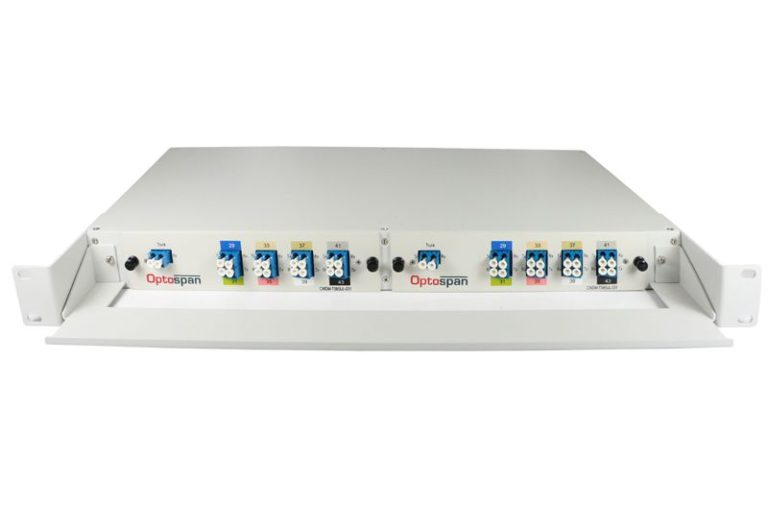
An MTP cassette acts as a bridge between multi-fiber trunk cables and standard LC connections. Inside a single module, fibers are pre-terminated and mapped in a fixed layout. This removes guesswork during installation.
The cassette structure supports:
- Fast deployment without field termination
- Clear port-to-port mapping
- Consistent signal performance
Using an MTP cassette allows technicians to plug high-count MTP trunks at the rear while accessing LC ports at the front. This design keeps the rack front simple and service-friendly.
Rack Mount – Select (RM) Series MTP-LC Cassettes Overview
Rack Mount – Select (RM) Series MTP-LC cassettes represent a refined approach to high-density fiber management. These cassettes focus on performance, strength, and ease of use, without adding cost pressure.
Key points of the primary design include:
- Rack mount form for dense installations
- LC ports on the front for easy access
- MTP Elite connector at the rear
This structure allows smooth integration into modern network racks. It also supports growth without forcing a full redesign of the fiber layout.
Connector Design and Signal Performance
Connectors play a major role in fiber reliability. The RM Series uses ruggedized Low Loss Quad LC connectors on the front. These connectors have a larger adapter body, which helps maintain a steady physical connection.
At the rear, the cassette uses the MTP Elite connector. This connector is known for keeping insertion loss very low. Lower insertion loss allows more connections in a single link without risking signal limits.
Benefits of this connector approach include:
- Stable signal paths
- Fewer performance drops across links
- Better support for longer channel designs
In scalable IP networks, every connection point matters. Small losses add up fast.
Installation Simplicity and User-Focused Design
One strength of the RM Series is its tool-less design. Technicians can install or remove cassettes without special tools. This saves time during both initial deployment and later changes.
Other helpful design features include:
- Silk-screened port numbers on the front
- Clear mapping of internal fiber paths
- Consistent labeling across modules
These features reduce human error. They also help new team members understand the layout quickly. In busy network rooms, clarity often matters more than advanced features.
Compatibility with Rack Mount – Select Patch Panels
RM Series fiber cassettes are designed to work only with Rack Mount – Select patch panel enclosures. This controlled compatibility ensures that spacing, alignment, and airflow remain correct.
This approach offers several advantages:
- Predictable fit and finish
- Stable cassette locking
- Uniform appearance across racks
Using matched components lowers the risk of installation issues. It also helps maintain a clean and professional rack layout over many years of operation.
Supporting Scalable IP Network Growth
Scalable IP networks must support change without disruption. Fiber infrastructure should not limit future upgrades. High-density cassettes help teams add capacity while keeping the existing layout intact.
With an MTP cassette, scaling becomes easier because:
- Trunk cables handle higher fiber counts
- LC ports stay familiar for equipment links
- Upgrades often need no new cabling paths
This design supports phased growth. Networks can move from 10G to higher speeds while keeping the same cassette structure.
Key Technical Features at a Glance
The following table outlines the main features of the Rack Mount – Select (RM) Series MTP-LC cassettes and why they matter in daily use.
| Feature | Description | Practical Benefit |
| Front Connectors | Low Loss Quad LC connectors | Reliable and stable patching |
| Rear Connector | MTP Elite connector | Very low insertion loss |
| Mounting Style | Rack mount design | High density in a limited space |
| Installation | Tool-less cassette handling | Faster changes and maintenance |
| Port Marking | Silk-screen port numbers | Easy identification and tracing |
| Compatibility | RM patch panel enclosures only | Consistent fit and layout |
Quality Standards and Manufacturing Discipline
SanSpot products are produced in ISO9001 facilities. This means controlled processes and repeatable quality. Each optical product goes through visual and optical testing before delivery.
Important quality points include:
- Compliance with industry standards
- High level of inspection before shipment
- RoHS compliance for most products
These steps help ensure that each MTP cassette performs as expected once installed. In fiber networks, small defects can cause large service issues. Strong quality control reduces that risk.
Engineering Support and Design Assistance
Network design often involves many small decisions that affect long-term performance. SanSpot’s optical engineers assist customers during planning, especially for 40G and 100G MTP networks.
This support focuses on:
- Correct fiber mapping
- Proper cassette placement
- Compatibility across links
Design help is offered without added cost, and solutions are backed by a full compatibility guarantee. This approach reduces project stress and avoids costly rework later.
Conclusion
High-density fiber systems are no longer optional in growing IP networks. They are a practical response to space limits, rising bandwidth needs, and operational pressure. Rack Mount – Select (RM) Series MTP-LC cassettes offer a clear and stable way to manage these demands.
With strong connector design, simple installation, and controlled compatibility, they fit well into long-term network plans. When used correctly, an MTP cassette supports clean growth and steady performance, helping networks remain ready for what comes next without unnecessary complexity.