
How QSFP28 Fiber Cable Improves 100G Data Center Speed
Speed in a data center is never about one part alone. It depends on how well the full link handles data, heat, space, and signal quality at the same time. That is why cable choice matters more than many teams first expect.
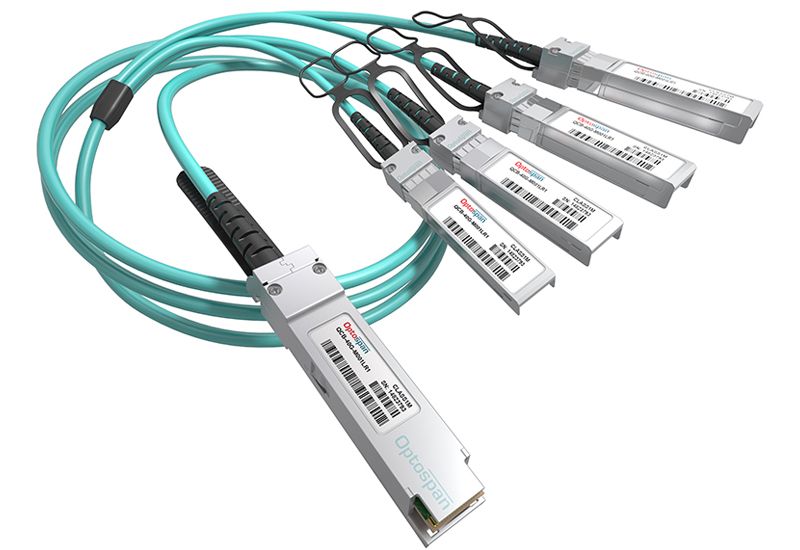
A QSFP28 fiber cable is built for 100G links, and it helps data centers move traffic with better consistency across short point-to-point connections. When the right cable is used, the network feels more stable, cleaner to manage, and easier to scale as demand grows.
Why 100G Links Need the Right Cable Type
A 100G environment pushes a lot of traffic through each connection. In that setup, the cable is not a small detail. It affects signal flow, rack layout, airflow planning, and daily reliability. If the cable is not designed for high-speed use, the network can face signal loss, more errors, and harder maintenance.
This is where a cable made for 100G work becomes useful. A QSFP28 fiber cable is designed to support high-speed point-to-point connections in a way that fits modern data center needs. It helps move large volumes of data while keeping the connection path simple and clear.
For teams working with dense network equipment, that matters because:
- More traffic needs to move in less space
- Stable signal delivery helps reduce interruptions
- Better cable design supports cleaner rack planning
- Shorter deployment time helps during upgrades
What Makes This Cable Fit for 100G Speed
The 10m active optical cable described here is made for 100GbE data center networks. It uses four independent transmission and receiving channels across multiple optical fibers. That structure helps the cable carry data in a clean and dependable way for 100Gbps point-to-point use.
The design is practical for real network rooms because it is not only about speed on paper. It is also about how the cable performs once installed.
Key details include:
- 100GbE active optical cable design
- 10-meter length for flexible short-range connections
- Four independent error-free data channels
- Multiple optical fibers for sending and receiving data
- Individually serialized and tested units
- Compliance and functionality testing before use
These details matter because stable channel performance supports steady data movement, which is exactly what a 100G environment needs.
How Signal Quality Helps Improve Data Center Speed
Data center speed is not just raw bandwidth. It is also the ability to move data with fewer issues during daily operation. If a link sees transmission problems, then time is lost through retries, troubleshooting, and unstable service quality.
A QSFP28 fiber cable helps here because it is built for error-free channel performance. When four channels work as intended, the link can handle traffic in a more controlled way. That means the connection does not only look fast during setup. It stays dependable when workloads rise.
This leads to useful day-to-day results:
- Fewer signal-related disruptions
- Steadier movement of large data loads
- Better support for high-traffic server links
- Cleaner handling of point-to-point 100G traffic
In simple terms, better signal quality helps protect the speed that the network was designed to deliver.
Why Active Optical Design Makes a Difference
The active optical design is one of the main reasons this cable works well in 100G settings. It supports high-performance transmission through optical fibers while keeping the link suited for fast and efficient data center use.
This matters in busy network rooms because the cable needs to do more than connect two devices. It must support performance without adding extra complexity to the layout. The active optical format helps teams keep the connection direct and purpose-built for high-speed use.
That makes it a practical option for:
- Switch to switch links
- Server to switch connections
- Short-range 100G paths inside data centers
- Structured upgrades where clean routing matters
The result is a cable that supports speed while also fitting into real deployment conditions.
A Quick View of the 10m Cable Features
The table below gives a simple picture of the cable details and why they matter in a data center environment.
Feature
What it means for the network
100GbE support
Built for high-speed data center traffic
10m length
Useful for short-range point-to-point links
Four independent channels
Supports steady sending and receiving of data
Multiple optical fibers
Helps carry traffic through optical transmission paths
Fire retardant plenum jacket
Low smoke design that helps reduce spread of smoke and fire
Individual serialization
Easier product tracking and quality control
Pre-programmed and tested
Helps confirm compliance and functionality before deployment
10-year limited warranty
Adds long term support confidence
How Cable Design Supports Safer Installation Spaces
In a data center, safety and performance often connect more closely than people think. A cable that supports fire safety standards can be an important part of the larger environment, especially in enclosed spaces where smoke control matters.
This 10m active optical cable is made with a fire-retardant plenum jacket. In the event of fire, the material is designed to generate low smoke and help prevent the spread of smoke and fire. That does not change network speed by itself, but it does improve the quality of the overall installation plan.
That is useful because teams often need products that support:
- Safe cable routing in shared spaces
- Cleaner installation standards
- Dependable materials for long-term use
- Network planning with both speed and environment in mind
How SanSpot Supports Projects with Fiber Solutions
SanSpot works in fiber optic networking products and solutions for a wide range of optical network applications. The company focuses on premium quality fiber connectivity products built with strong components and flexible configurations. That matters for teams that need practical network design options rather than one fixed setup.
The company also supports projects through technical engineering assistance and design support for 40G and 100G network planning. For businesses trying to simplify installation and match products to project goals, that kind of support can make planning much easier.
What stands out is the focus on:
- Higher performance fiber products
- Quality-focused manufacturing standards
- Tested optical products
- Long-term customer support and project guidance
Final thoughts
When a data center moves to 100G, every connection starts to matter more. The cable is part of speed, but it is also part of signal quality, reliability, and clean deployment. A QSFP28 fiber cable helps improve 100G performance because it is made for that exact environment.
With four independent channels, optical transmission, tested compliance, and a 10m active optical design, it supports stable high-speed links. SanSpot brings that into a broader fiber offering built around quality, tested performance, and practical support for real network projects.